CPU Scrap Sorting Guide: Preparing CPU Scrap for Accurate Grading and International Supply
CPU Scrap Sorting Guide: Computer processors are an important category of electronic scrap because they contain different materials, construction types, and recoverable components. For electronics recyclers, IT asset recovery businesses, wholesalers, and industrial recycling partners, properly organizing CPU scrap can make inventory management easier and help buyers assess material consistently.
At Golden Scrap Yard, we are a Dallas, Texas-based company serving customers in the United States and international markets. Our business supports worldwide trade, with warehouse and logistics operations across multiple U.S. cities and several countries. We work with customers interested in electronic scrap, computer components, and bulk supply opportunities.
This guide explains why CPU scrap sorting matters, which characteristics buyers should consider, and how organized inventory can support more efficient commercial transactions.
What Is CPU Scrap?
CPU scrap consists of discarded, obsolete, damaged, or otherwise unwanted central processing units recovered from computers, servers, and other electronic equipment. These processors may come from office computer upgrades, data center equipment replacement, electronics repair businesses, manufacturing operations, and IT asset disposition projects.
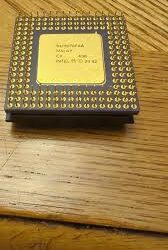
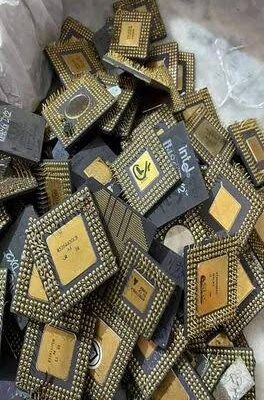
CPU scrap includes different processor generations, package designs, and material compositions. Some older processors use ceramic packages, while many newer models use fiber-based or other package materials. Depending on their design, processors may contain small quantities of gold, copper, and other recoverable materials.
However, not every CPU has the same material composition or recycling value. Processor age, construction, condition, quantity, and current market demand can all influence how a particular lot is assessed.
Why Sorting CPU Scrap Matters
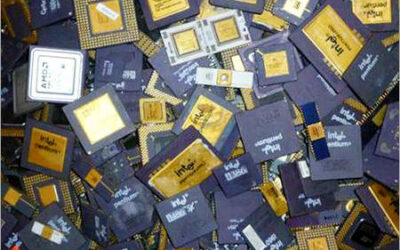
Sorting computer processor scrap into identifiable categories helps create clearer inventory records and makes communication between suppliers and buyers more efficient.
When different processor types are combined without documentation, buyers may need additional time to identify the contents and determine an appropriate grading method. Organized lots make it easier to estimate quantities, compare material categories, and discuss pricing requirements.
For businesses handling substantial volumes of electronic scrap, consistent sorting can also improve warehouse organization and simplify shipment preparation.
Useful sorting characteristics include:
- Processor package type: Ceramic, fiber-based, and other package designs may require separate classifications.
- Processor category: Desktop, laptop, server, and industrial processors can be recorded separately when identification is practical.
- Physical condition: Intact, damaged, and incomplete processors may need different descriptions.
- Quantity and weight: Recording unit counts and net shipment weights supports accurate inventory management.
- Lot documentation: Clear labels, photographs, and inventory records help buyers understand the material offered.
Actual grading categories should be agreed upon with the buyer because different recycling operations may use different acceptance criteria.
Understanding Different CPU Scrap Categories
Ceramic processors are frequently encountered in older computer equipment. Some models attract particular attention from specialist recyclers because of their construction and potential recoverable materials. Nevertheless, ceramic packaging alone does not guarantee a particular recovery value.
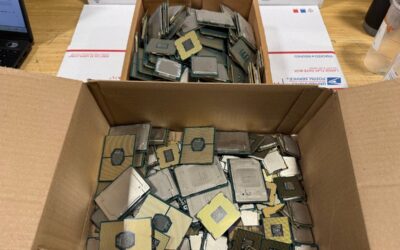
Fiber-based processors are common in more recent generations of computer hardware. Their value depends on the specific processor design, material composition, condition, and applicable market pricing.
Server and workstation processors can also enter the electronic scrap supply chain when equipment is retired or upgraded. Some processors may still have reuse or resale potential, so identifying working or potentially reusable equipment before classifying everything as scrap can be beneficial.
At Golden Scrap Yard, we encourage suppliers and commercial buyers to identify their material categories clearly when requesting a quotation. Accurate descriptions help establish whether a shipment is suitable for reuse, resale, component recovery, or recycling.
Preparing CPU Scrap Lots for Bulk Transactions
Good preparation starts with reliable inventory information. Before contacting a supplier or buyer, businesses should establish the approximate quantity available and describe the types of processors included.
Photographs can help illustrate the material, particularly when a lot contains multiple processor designs. For larger consignments, a written inventory or packing list can provide additional clarity.
Packaging should protect processors against avoidable damage during handling and transportation. Suitable containers, secure packing, and clear shipment labels can help keep different categories separate throughout the shipping process.
Businesses should also maintain appropriate records showing the origin of their materials and confirming that they are authorized to sell or transfer them. Commercial shipments may require additional documentation depending on the material, destination, and applicable regulations.
For international orders, buyers and sellers should confirm the shipping method, customs requirements, declared contents, payment terms, and delivery responsibilities before dispatch.
Golden Scrap Yard: Dallas-Based Supply With Worldwide Reach
Golden Scrap Yard is based in Dallas, Texas, and serves customers seeking electronic scrap and computer-related materials across domestic and international markets. Our business supports worldwide trade and operates through warehouse and logistics arrangements across multiple cities in the United States and several countries.
We understand that commercial customers need clear communication when discussing material specifications, available quantities, shipment arrangements, and current pricing.
In addition to CPU scrap, our product range includes other electronic scrap categories and computer-related materials. Availability, grading, minimum order quantities, and shipping arrangements can vary by product and destination, so customers should confirm the current terms before placing an order.
Our aim is to help businesses communicate their material requirements clearly and establish practical arrangements for eligible domestic and international transactions.
What Influences CPU Scrap Pricing?
CPU scrap prices are not fixed across every processor category. Market conditions, processor design, estimated material recovery, lot composition, volume, and processing requirements can influence a buyer’s quotation.
For this reason, suppliers should avoid assuming that all processors have an identical value per kilogram. Two lots with similar weights can receive different assessments if their contents and material characteristics differ.
When requesting a quotation, provide the processor category, approximate quantity or weight, photographs where available, and intended destination. This information can help the buyer evaluate the lot and explain the applicable purchasing conditions.
Request a CPU Scrap Quotation From Golden Scrap Yard
Whether you manage retired computer equipment, operate an electronics recycling business, or source CPU scrap for commercial processing, organized inventory can make discussions more straightforward.
Golden Scrap Yard welcomes inquiries about available CPU scrap categories, bulk quantities, current pricing, and domestic or international shipping arrangements.
Visit https://goldenscrapyard.com/ to explore our website and contact our team with your requirements. Include your location, estimated quantity, processor types, and any relevant photographs so your inquiry contains the information needed for an initial assessment.
Golden Scrap Yard — Dallas, Texas-based electronic scrap supply serving customers worldwide. shop all CPU scrap products HERE