Fiber vs Ceramic CPUs: Which One Delivers Higher Gold Recovery Value?
Fiber vs Ceramic CPUs: For refiners, recyclers, and bulk buyers in the electronics recycling industry, understanding the difference between fiber CPU scrap and ceramic CPU scrap is essential to maximizing gold recovery value. While both categories of processor scrap contain valuable precious metals, their composition, yield potential, and market pricing vary significantly. At Golden Scrap Yard, a Dallas, Texas-based CPU and electronic scrap supplier operating worldwide, we work with both material types daily — and we’re breaking down exactly what sets them apart so you can make smarter sourcing and selling decisions.
What Is Ceramic CPU Scrap?
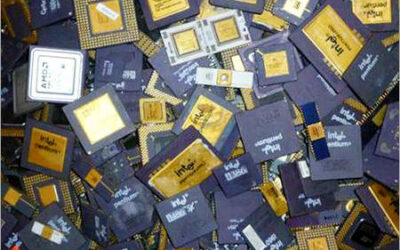
Ceramic CPU scrap refers to older-generation processors built with ceramic packaging material rather than modern fiberglass substrates. Popular examples include vintage chips like the AMD K5, Intel 386, Intel 486, and Pentium Pro processors, many of which were manufactured before the industry shifted toward more cost-efficient fiber-based designs.
These ceramic processors are prized in the gold recovery industry because their internal construction typically contains a higher concentration of gold, particularly in the pins, internal wiring, and ceramic substrate itself. This makes ceramic CPU scrap one of the most consistently valuable categories of electronic scrap available on the market today.
What Is Fiber CPU Scrap?
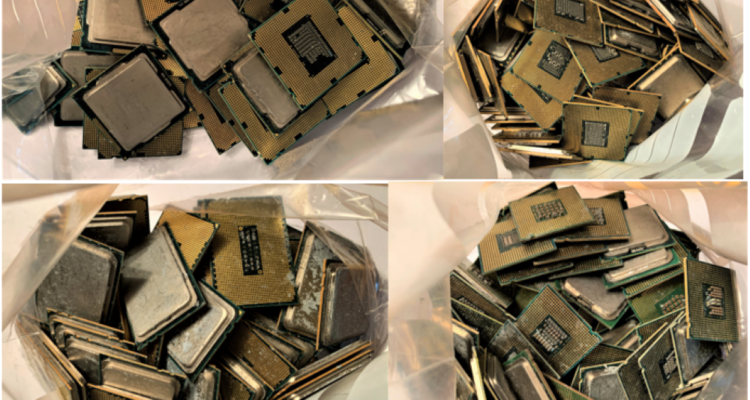
Fiber CPU scrap, by contrast, refers to newer-generation processors built using fiberglass-based substrates rather than ceramic. These are the processors commonly found in more modern computers, servers, and data center hardware manufactured over the past two decades.
While fiber CPUs generally contain lower gold content per unit compared to ceramic processors, they remain a steady, high-volume source of recoverable precious metals due to their gold-plated pins and internal circuitry. Because fiber CPUs are far more abundant in today’s e-waste stream than older ceramic models, they represent a reliable, consistent supply source for refiners and recyclers looking to process large volumes efficiently.
Comparing Gold Yield Potential
When it comes to raw gold yield per kilogram, ceramic CPU scrap generally outperforms fiber CPU scrap. The denser internal construction and higher gold concentration in vintage ceramic processors make them a premium material category, often commanding higher per-kilogram pricing from refiners and recycling facilities.
However, yield potential isn’t the only factor that matters. Fiber CPU scrap, while lower in concentration, is significantly more available in today’s electronic waste stream. Businesses and individuals decommissioning modern servers, workstations, and computer hardware generate a steady, high-volume supply of fiber CPUs, making them an important material category for recyclers who prioritize consistent volume over maximum per-unit yield.
Which Should You Choose?
The right choice between fiber and ceramic CPU scrap ultimately depends on your specific goals as a buyer or supplier:
- For maximum per-kilogram value: Ceramic CPU scrap, particularly rare vintage models, typically offers the highest gold concentration and premium pricing.
- For consistent volume and supply reliability: Fiber CPU scrap offers a more abundant, steadily available material stream, ideal for recyclers processing larger quantities on a regular basis.
- For diversified recovery operations: Many experienced refiners and recyclers choose to work with both categories, balancing the premium value of ceramic processors with the steady volume of fiber CPU scrap.
Why Sourcing Quality Matters
Regardless of which category you’re working with, the quality and consistency of your CPU scrap source significantly impacts your overall recovery value. Improperly sorted, contaminated, or inconsistently graded scrap can reduce yield efficiency and create unnecessary processing delays.
At Golden Scrap Yard, we specialize in carefully sorted, tested, and accurately graded CPU scrap across both ceramic and fiber categories. Our sourcing process pulls from decommissioned servers, workstations, and data center hardware, ensuring our clients receive consistent, high-yield material batches every time.
A Global Supply Chain You Can Rely On
Golden Scrap Yard is headquartered in Dallas, Texas, but our operations extend far beyond a single location. We maintain warehouses across multiple cities in the United States, along with additional facilities in several countries worldwide, allowing us to source, process, and ship CPU scrap efficiently to refiners, recyclers, and bulk buyers around the globe.
This global warehouse network means shorter shipping times, more consistent supply availability, and the ability to fulfill both small and large-volume orders without the delays often associated with single-location suppliers.
Partner With Golden Scrap Yard
Whether you’re a refiner seeking premium ceramic CPU scrap, a high-volume recycler in need of consistent fiber CPU supply, or a bulk buyer looking to diversify your material sourcing, Golden Scrap Yard is built to meet your needs with transparent pricing, accurate grading, and reliable worldwide shipping.
Ready to source high-yield CPU scrap for your gold recovery operation? Visit us at goldenscrapyard.com or reach out to our team directly at info@goldenscrapyard.com to request a quote today. shop HERE