Difference Between Green Fiber CPUs and Ceramic CPUs
When it comes to electronic scrap and precious metal recovery, CPUs are among the most valuable components found inside old computers. However, not all CPUs are made the same. Two of the most common types found in the scrap market are green fiber CPUs and ceramic CPUs. Understanding the difference between them is important for collectors, recyclers, and electronic scrap buyers.
What Are Green Fiber CPUs?
Green fiber CPUs are processors made with a fiberglass or epoxy resin base material, usually green in color. These CPUs became more common in modern computers because they are cheaper and lighter to manufacture.
Most green fiber CPUs contain:
- A green plastic or fiberglass substrate
- Small gold-plated pins or pads
- Lower amounts of precious metals compared to older processors
These CPUs are commonly found in:
- Modern desktop computers
- Laptops
- Servers
- Gaming PCs
Characteristics of Green Fiber CPUs
- Lightweight
- Green-colored base
- Lower gold content
- More modern production
- Commonly available in large quantities
Because they contain less gold, green fiber CPUs are generally less valuable in gold recovery and electronic recycling markets.
⸻
What Are Ceramic CPUs?
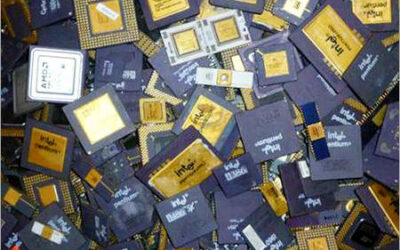
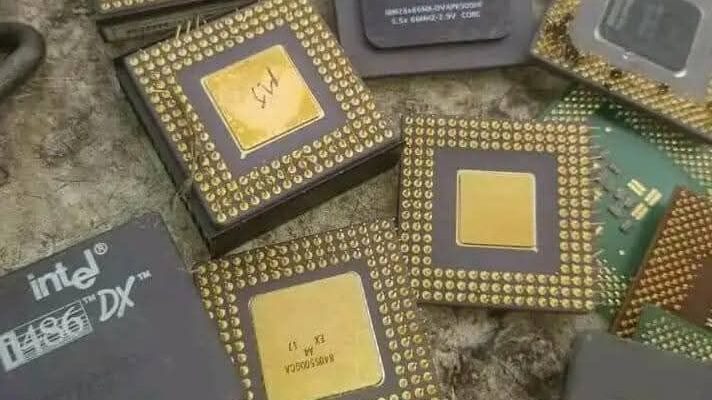
Ceramic CPUs are older processors manufactured using ceramic materials instead of fiberglass. They are highly valued in the electronic scrap industry because they often contain larger amounts of gold and other precious metals.
Many ceramic CPUs contain:
- Thick gold-plated pins
- Gold lids or caps
- Internal gold bonding wires
- Ceramic body construction
These processors were commonly used in:
- Older computers
- Industrial systems
- Military equipment
- Early servers and workstations
Characteristics of Ceramic CPUs
- Heavier than green fiber CPUs
- Ceramic body, often white, black, or gold-colored
- High precious metal content
- More valuable for refining
- Older and harder to find
Ceramic CPUs are usually considered premium electronic scrap due to their high gold recovery potential.
⸻
Main Differences Between Green Fiber CPUs and Ceramic CPUs
Feature Green Fiber CPUs Ceramic CPUs
Material Fiberglass/Epoxy Ceramic
Gold Content Lower Higher
Weight Lightweight Heavier
Age Modern Older
Scrap Value Lower Higher
Common Use Newer computers Older systems
Recovery Potential Moderate High
⸻
Which CPU Type Is More Valuable?
In most cases, ceramic CPUs are significantly more valuable than green fiber CPUs because they contain more recoverable gold. High-grade ceramic processors with gold caps and gold pins are especially sought after by refiners and electronic scrap buyers.
However, green fiber CPUs still have value when collected in bulk quantities, especially newer server-grade processors.
⸻
How to Identify Ceramic CPUs
You can usually identify ceramic CPUs by:
- Their heavier weight
- Gold-colored lids
- White or black ceramic body
- Thick gold pins
- Older manufacturing style
Green fiber CPUs typically appear thinner and lighter with a green fiberglass base.
⸻
Final Thoughts
Both green fiber CPUs and ceramic CPUs play important roles in the electronic recycling industry. While ceramic CPUs are generally more valuable because of their higher precious metal content, green fiber CPUs remain widely collected due to their availability and resale demand.
If you are involved in CPU scrap recycling or electronic waste recovery, learning how to properly identify and sort these processors can help maximize your returns and improve recycling efficiency. shop here